Integrating Turtle Svg Cut Files Into Your Creative Workflow
In the modern landscape of digital crafting and small business production, efficiency is not just a bonus; it is a necessity. Whether you are a seasoned entrepreneur running a handmade goods store or a hobbyist looking to create personalized gifts, the quality of your source assets directly impacts the quality of your final product. This is where Turtle Svg Svg Cut Files become an essential component of your design toolkit. These files are not merely static images; they are functional assets designed to bridge the gap between digital creativity and physical manufacturing.
Understanding how to effectively incorporate these vector files into your broader project lifecycle can save hours of preparation time and reduce material waste. By treating your cut files as integral parts of a structured workflow, you ensure consistency across product lines, whether you are producing T-shirts, wood signs, mugs, tumblers, ornaments, cards, or party décor. The goal is to move seamlessly from download to production, minimizing technical friction and maximizing creative output.
The Role of Vector Assets in Production Planning
Before any material is cut or printed, successful creators engage in a phase of asset verification and preparation. Turtle Svg Svg Cut Files are designed to fit into this pre-production stage with minimal adjustment required. Unlike raster images, which can lose quality when resized, SVG (Scalable Vector Graphics) files maintain crisp edges at any dimension. This scalability is crucial for professionals who need to adapt a single design for various applications, such as shrinking a graphic for a tumbler wrap or expanding it for a large wood sign.
When you acquire a ZIP folder containing formats like SVG, PNG, EPS, and DXF, you are receiving a multi-platform solution. Each format serves a specific function within your workflow:
- SVG: Ideal for most modern cutting machines and web use. It retains editability, allowing you to change colors or separate layers easily.
- PNG: Best for sublimation printing or projects requiring a transparent background without the need for vector editing.
- EPS: A standard for professional graphic design software, ensuring compatibility with high-end illustration tools.
- DXF: Specifically formatted for users of software that does not support SVG, such as older versions of certain cutting programs.
By having access to all these formats, you eliminate the bottleneck of file conversion. You do not need to rely on third-party converters that may introduce errors or distort paths. Instead, you can select the file type that natively integrates with your current software ecosystem, ensuring a smoother transition from design to machine.
Implementation Across Different Mediums
The versatility of Turtle Svg Svg Cut Files allows them to be deployed across a wide array of substrates and products. However, each medium requires specific adjustments during the implementation phase. Understanding these nuances is key to maintaining quality control.
Apparel and Fabric Projects
When creating T-shirts or fabric-based items, the integrity of the cut path is paramount. Heat transfer vinyl (HTV) requires clean, closed paths to ensure the weeding process is efficient. Using the SVG format, you can inspect the nodes in your design software to ensure there are no stray points that might cause the cutter to drag or miss a section. For multi-color designs, the layer structure within the SVG file allows you to separate colors easily, streamlining the alignment process during pressing.
Hard Substrates and Signage
For wood signs, mugs, and tumblers, precision is critical. Wood grain can interfere with cutting if the blade depth is not adjusted correctly, but a well-optimized vector file ensures the machine follows the exact intended path. When working with curved surfaces like tumblers, the DXF or SVG file can be scaled precisely to match the dimensions of your template. This reduces the trial-and-error phase often associated with wrapping designs around cylindrical objects.
Paper Crafts and Party Décor
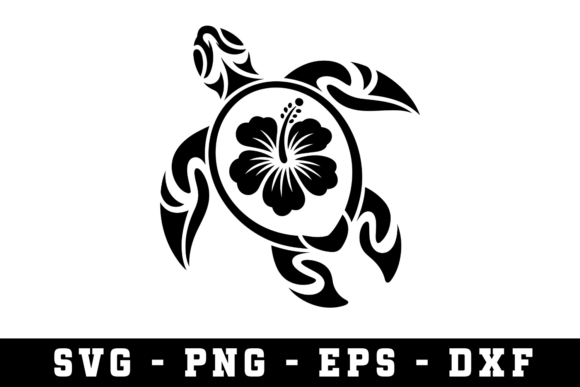
Ornaments, cards, and party décor often involve intricate details. The high resolution of vector files ensures that even the smallest elements of the turtle design remain sharp and cuttable. For paper crafts, you might use the PNG version for digital invitations while using the SVG for physical die-cutting. This dual-use capability maximizes the value of a single purchase, allowing you to market both digital and physical products from the same asset base.
Technical Preparation and File Management
A common hurdle for many users, particularly those new to digital crafting, is accessing the files after purchase. The listing includes a ZIP folder, which is a compressed archive containing all the necessary formats. To unzip the files, you will need software such as WinZip or 7-Zip. You can download this software for free from their websites. Once you have installed the software, right-click on the zip file and select “Extract All” or “Extract Here”. You will then see the files in a folder.
This step is critical for organization. Keeping your extracted files in a dedicated directory, perhaps labeled by project or date, helps maintain a tidy digital workspace. For professionals managing multiple client projects or product lines, consistent file naming conventions and folder structures prevent confusion and save time during retrieval. It is advisable to keep a backup of the original ZIP file in cloud storage, ensuring that you always have access to the pristine source files regardless of local hardware issues.
Optimizing for Business Efficiency
For small business owners and entrepreneurs, time is a direct cost. Integrating Turtle Svg Svg Cut Files into your workflow should reduce labor hours, not increase them. Here are practical tips for optimizing this process:
- Pre-flight Checks: Always open the SVG in your cutting software before sending it to the machine. Verify that all layers are grouped correctly and that no unintended shapes are included.
- Material Testing: Use scrap material to test cut settings for new substrates. Since the vector path is consistent, any issues arising during the test cut are likely due to machine settings rather than file errors.
- Batch Processing: If you are producing multiple items, arrange multiple instances of the turtle design on your virtual mat to maximize material usage. The scalability of the SVG allows you to nest designs efficiently.
- Quality Control: After cutting, inspect the edges. Clean, smooth cuts indicate that the file was interpreted correctly by the machine. Rough edges may suggest a need to adjust blade depth or speed, not necessarily a file issue.
By standardizing these steps, you create a repeatable process that yields consistent results. This consistency is vital for building a reputable brand, whether you are selling on online marketplaces or fulfilling custom orders for local clients.
Long-Term Value and Adaptability
The true value of high-quality cut files lies in their longevity and adaptability. Trends in design change, but a well-executed turtle motif can remain relevant across seasons, especially when adapted with different color palettes or accompanying text. Because the files are vector-based, you can modify them to fit new marketing campaigns or seasonal themes without losing quality. For example, adding a holiday greeting to the turtle design for Christmas ornaments or a summer-themed phrase for beach towels is straightforward when you have the editable SVG source.
Furthermore, these files support a sustainable approach to crafting. By reducing errors through precise vector paths, you minimize material waste. This is not only cost-effective but also aligns with the growing consumer preference for environmentally conscious businesses. Efficient use of resources enhances your operational margins and supports a more responsible production model.
In conclusion, Turtle Svg Svg Cut Files are more than just digital downloads; they are foundational tools for a streamlined creative process. From the initial unzipping and organization to the final cut on wood, vinyl, or paper, these files support a workflow that prioritizes precision, efficiency, and versatility. By understanding how to integrate them into your specific production environment, you empower yourself to create higher quality products with less effort, allowing you to focus on what matters most: growing your craft and connecting with your audience.